Alternative Investment Management Software

Risk Shell

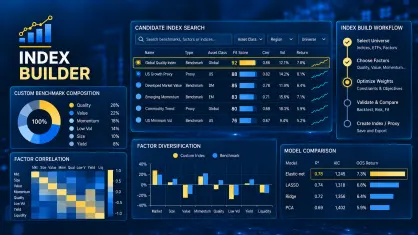
Institutional portfolio management, risk analytics and portfolio construction for alternative and multi-asset portfolios.

Integrated investment data, stress testing, portfolio optimization, alternative investment analytics and shadow accounting within one platform.

FoF Manager hero
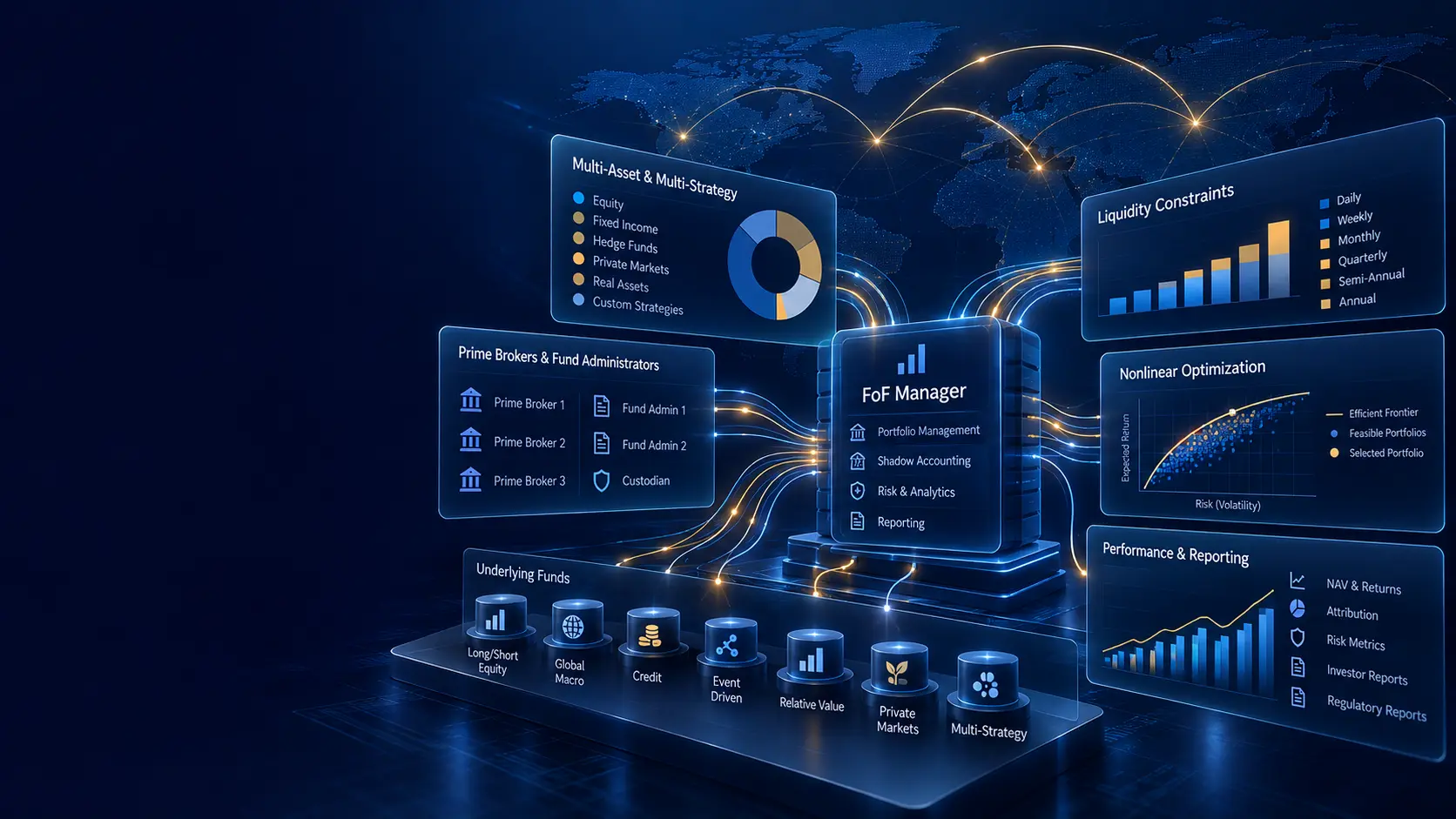
FoF Manager

Shadow Accounting for Alternative Portfolios

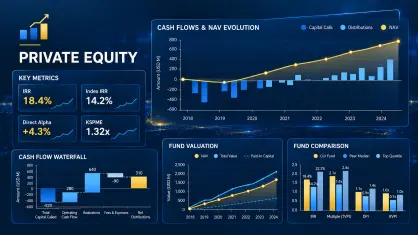
Manage hedge funds, private equity and multi-asset portfolios with liquidity controls, custom classifications and flexible historical accounting.

35+ hedge fund liquidity settings
Explore FoF Manager
Optimization hero
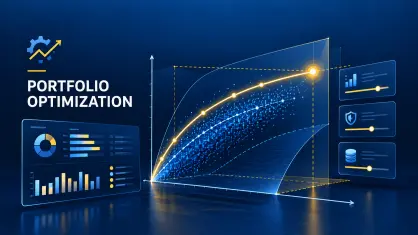
Portfolio Optimization

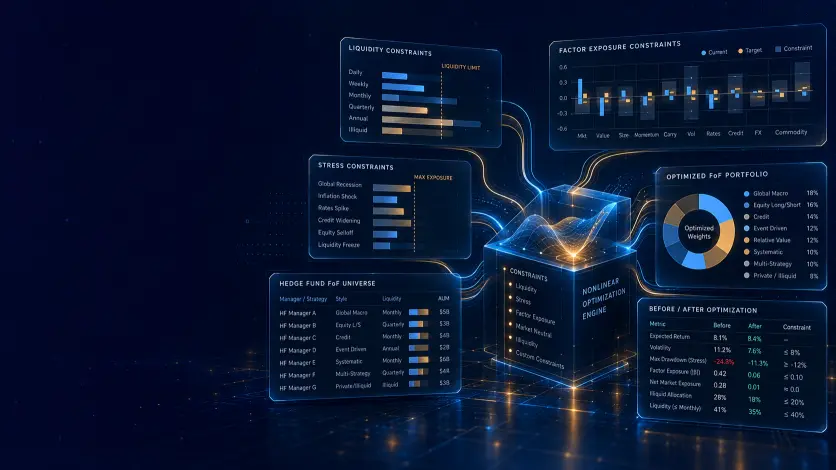
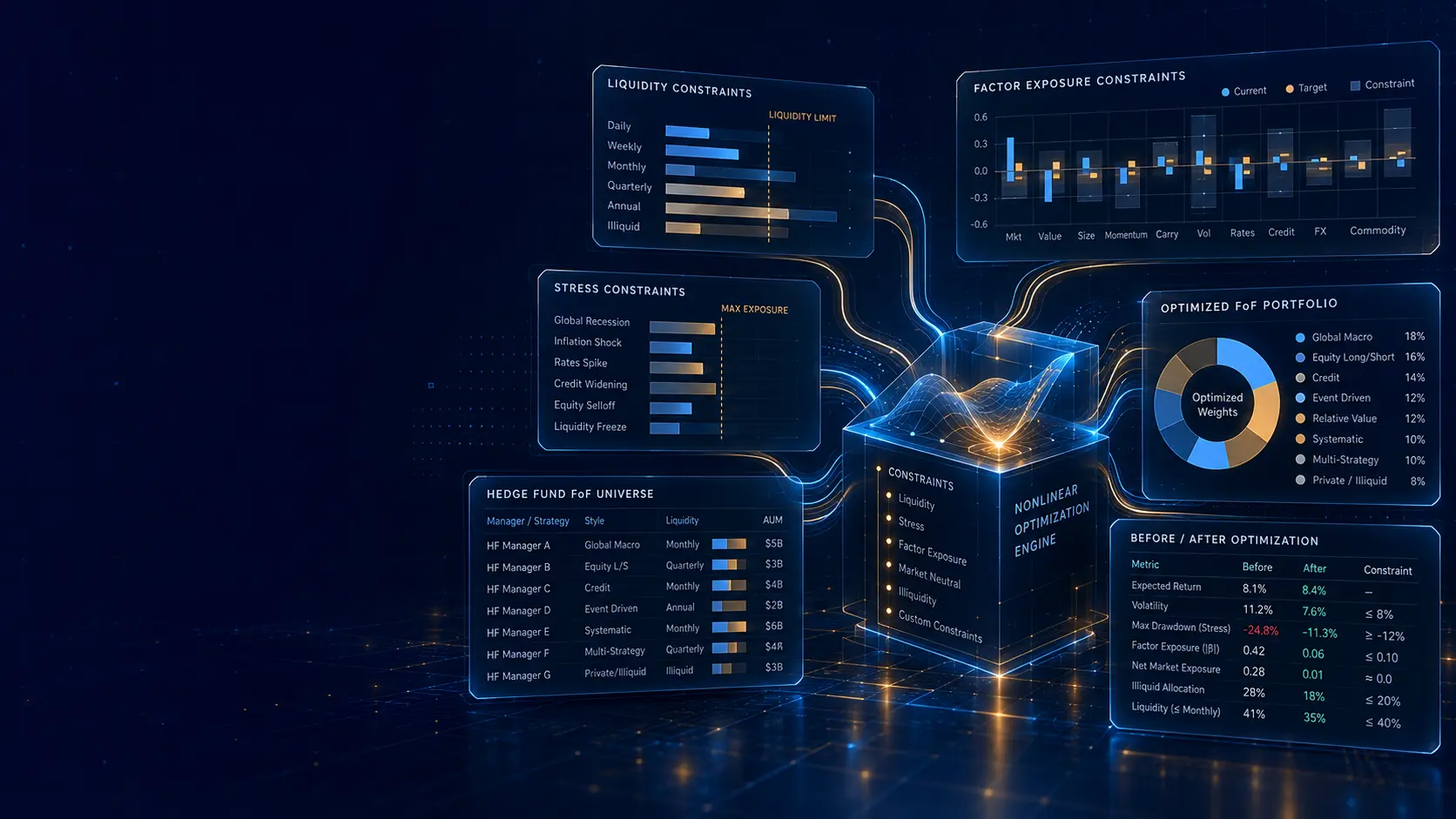
Nonlinear Portfolio Optimization

Construct hedge fund-of-funds and multi-asset portfolios with stress-test, factor-exposure, liquidity and other user-defined constraints.

Custom Constraints for market-neutral and risk-controlled portfolio construction
Explore Portfolio Optimization
Risk Shell AI hero
Risk Shell AI

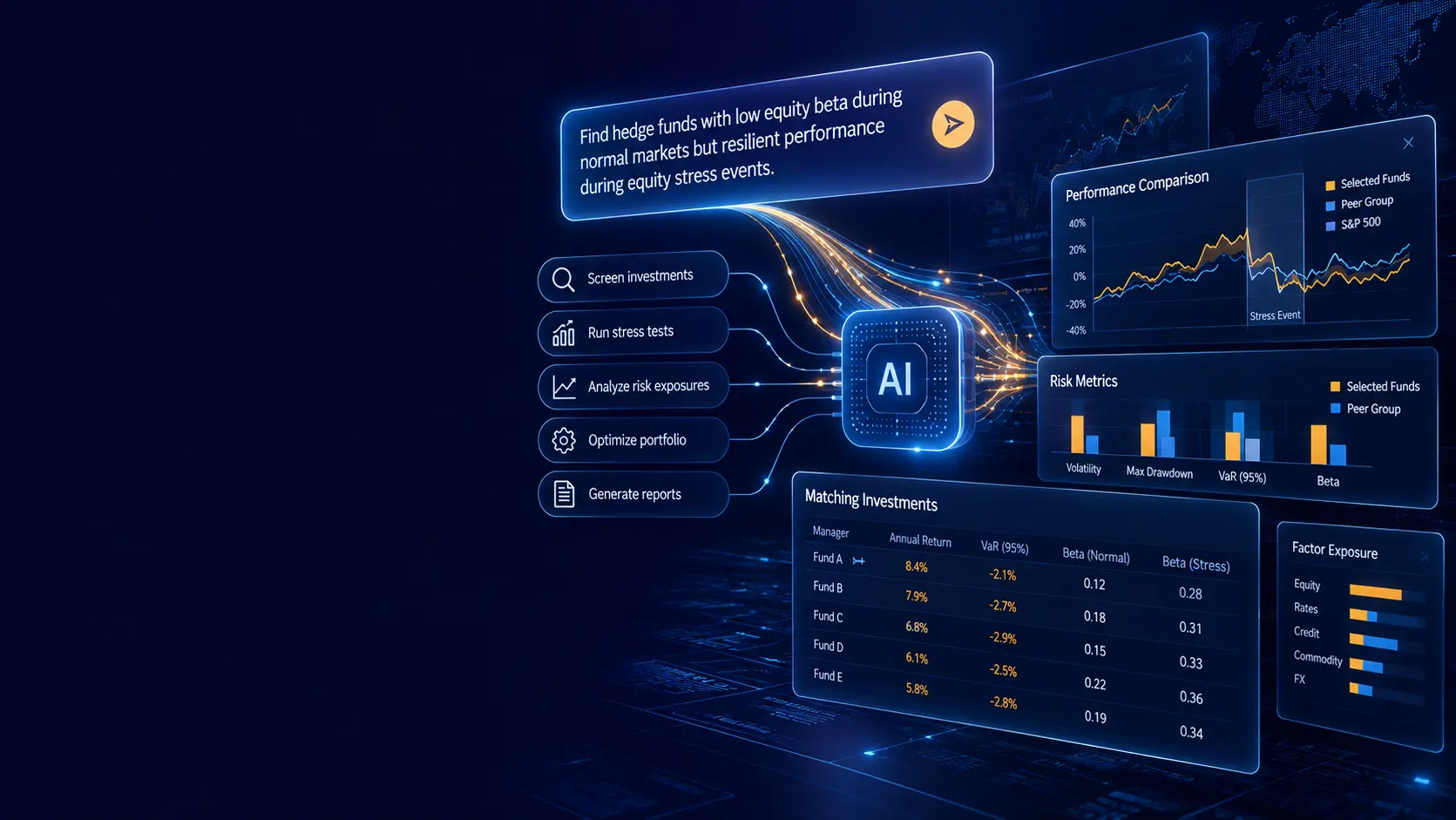
Natural-Language Access to Risk Shell

Use natural language to access investment research, risk analytics and portfolio workflows.

2.3B tokens in our in-house financial LLM
Explore Risk Shell AI
Macroeconomic Scenario Screening hero
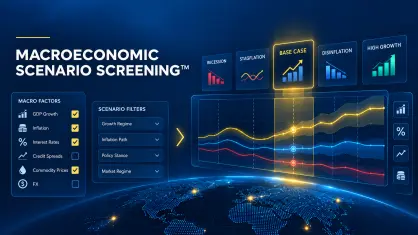
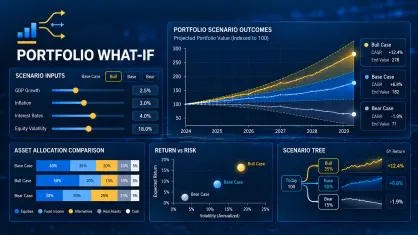
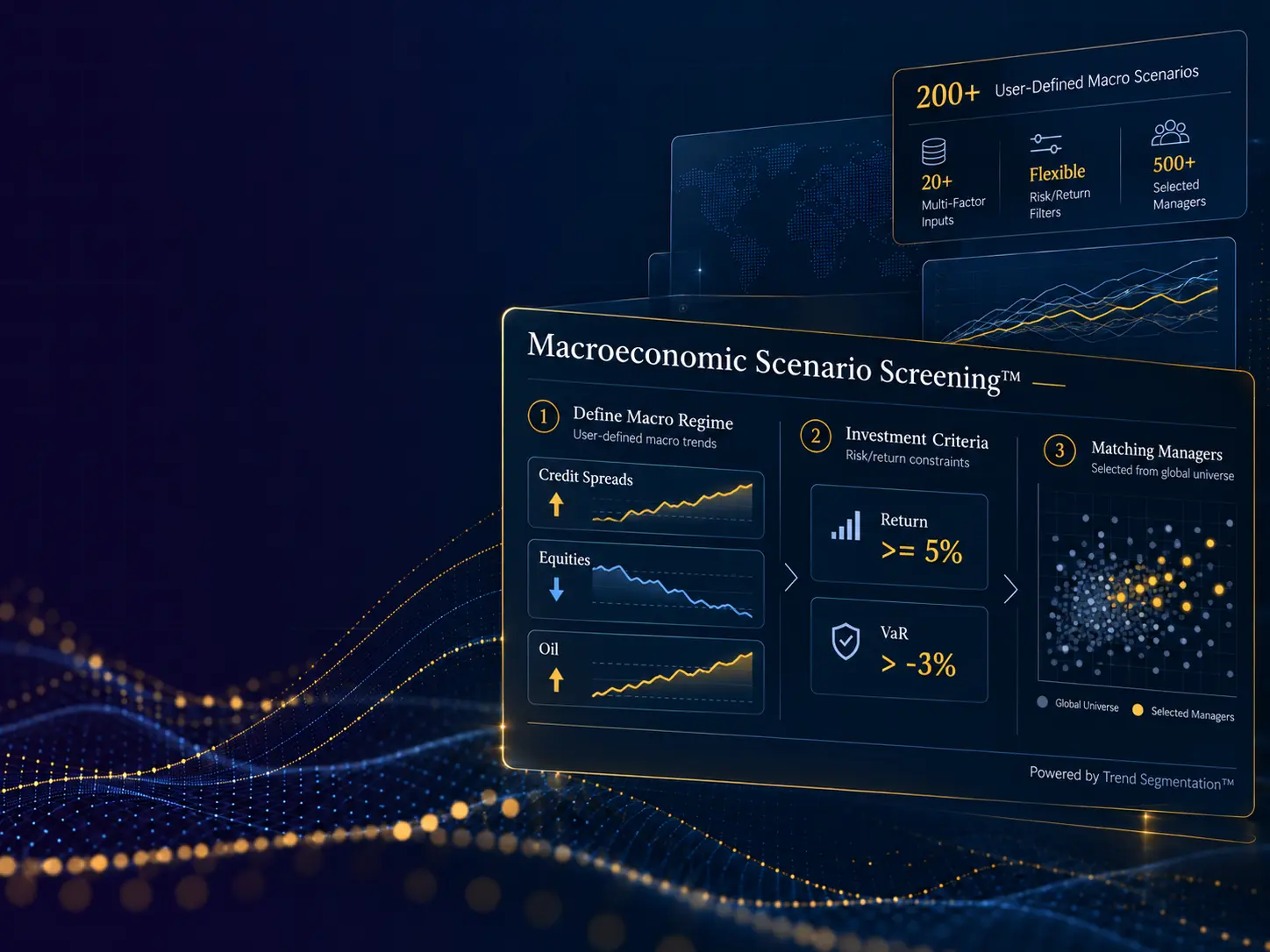
Macroeconomic Scenario Screening

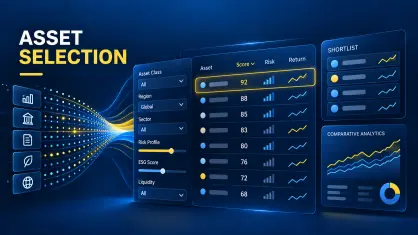
Select Assets for the Scenario You Define

Screen managers by risk and return targets under user-defined macroeconomic scenarios.

Trend Segmentation™ proprietary regime-analysis engine
Explore Scenario Screening
Peer-relative Stress Testing
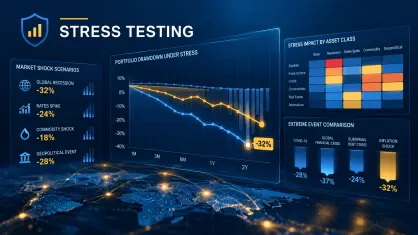
Portfolio Stress Testing

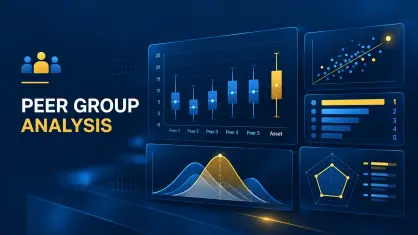
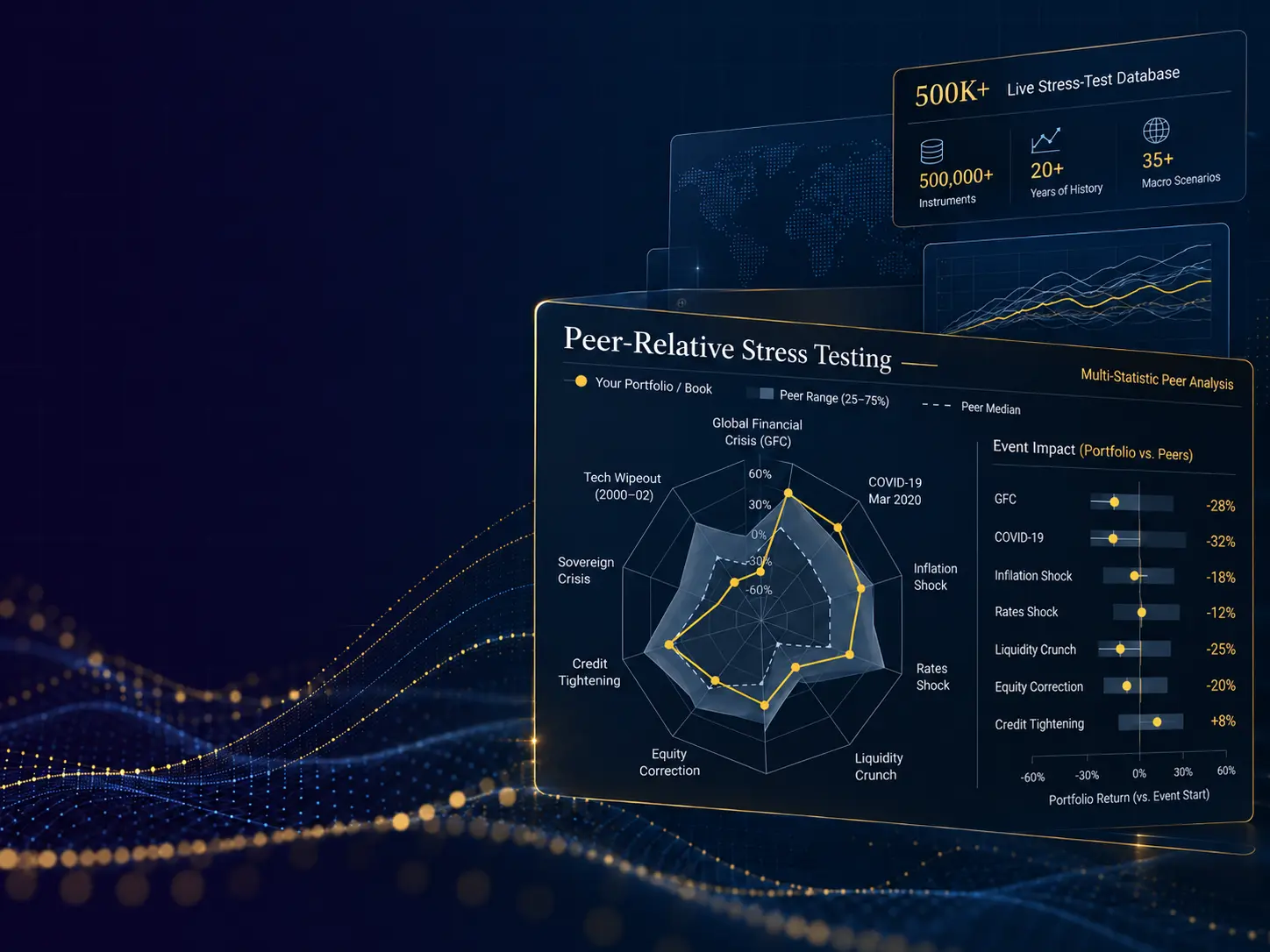
Peer-Relative Stress Testing

Compare extreme-event outcomes with a relevant peer group.

500K+ live stress-tested instruments
Explore stress testing

Holdings-Based Analysis Software

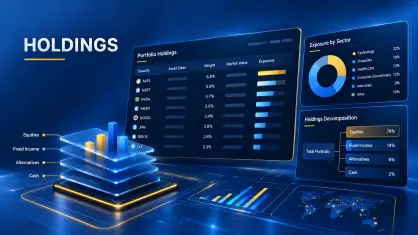
Returns-Based Analysis measures a fund through its historical performance. Holdings-Based Analysis evaluates the underlying portfolio directly, providing a current view of exposures that may not be evident from the return series alone. Risk Shell supports holdings across multiple asset classes, including equities, fixed income, commodities and swaps.

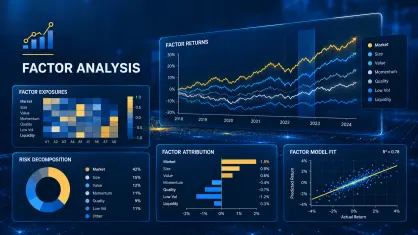
Holdings-Based Analysis in Risk Shell goes beyond position classification. The underlying portfolio can be analysed using factor analysis, stress testing, VaR, correlation, exposure analysis and other Risk Shell risk analytics. Investors can switch between holdings- and returns-based analysis and use the two approaches as complementary views of the same fund or portfolio.

Benefits for Hedge Fund and FoF Investors

  • Evaluate portfolio risk from the latest available holdings rather than relying only on historical returns.
  • Analyse funds with short  return histories.
  • Monitor long and short exposures across multiple asset classes.
  • Consolidate underlying positions across funds and portfolios for a portfolio-level exposure view.
  • Compare Holdings-Based and Returns-Based Analysis within the same Risk Shell workflow.

Holdings-Based Analysis Features

  • Multi-asset holdings supported through Risk Shell data sets and Bloomberg Enterprise Data Feed.
  • Holdings snapshots for multiple reporting dates.
  • Batch holdings upload.
  • Cross-currency positions.
  • Multiple exposure classification systems, including Morningstar®, SIC and NAICS.
  • Long and short positions.
  • Factor analysis, stress testing, VaR, correlation and other portfolio risk analytics applied to underlying holdings.

Holdings-based vs Returns-based Analysis

PERFORMANCE-BASED ANALYSIS

Returns-Based Analysis

Analyse a fund or portfolio from its historical return series to estimate risk, factor behaviour and relationships with markets and benchmarks.

Data source
Historical fund or portfolio returns.
Primary view
Observed risk and performance behaviour over the selected historical period.
Factor analysis
Factor sensitivities are estimated statistically from the relationship between portfolio returns and selected factors.
Portfolio changes
Changes in underlying positions are reflected indirectly through subsequent portfolio returns.
Return history
Requires a sufficiently informative return series for reliable statistical analysis.
Transparency
Can be applied without detailed knowledge of individual underlying holdings.
Main question
How has the fund or portfolio behaved historically, and what risks and factor relationships are evident from its returns?
BEST FOR

Analysing historical fund behaviour when detailed holdings are unavailable or when the investment process is evaluated primarily through realised returns.

UNDERLYING PORTFOLIO ANALYSIS

Holdings-Based Analysis

Analyse the underlying positions directly to measure current exposures, portfolio structure and risk across asset classes.

Data source
Reported portfolio holdings, including long and short positions across supported asset classes.
Primary view
Current portfolio exposures and risks derived from the underlying positions.
Factor analysis
Factor exposures are evaluated from the underlying instruments and their portfolio allocations.
Portfolio changes
Changes in holdings can be reflected as soon as a new holdings snapshot becomes available.
Return history
Useful for funds with short return histories because analysis is based on the underlying portfolio rather than solely on past fund returns.
Transparency
Provides direct visibility into underlying asset, sector, industry, currency and other portfolio exposures.
Main question
What risks and exposures are embedded in the portfolio's current underlying holdings?
BEST FOR

Investors with access to holdings data who require a current view of underlying exposures, consolidated portfolio risk and multi-asset position-level analysis.

Holdings-Based Analysis FAQs

What types of Holdings-Based Analysis are available in Risk Shell?▼

Risk Shell can apply its portfolio risk analytics directly to underlying holdings. This includes factor analysis, stress testing, VaR, stochastic simulation, correlation and diversification analysis, exposure analysis, and other supported portfolio risk studies.
Is Holdings-Based stress testing preferable to Returns-Based stress testing?▼

Not necessarily. Holdings-Based and Returns-Based stress testing measure risk from different perspectives and each has advantages and limitations. Holdings-Based analysis reflects the exposures contained in the reported portfolio, while Returns-Based analysis estimates behaviour from the fund's historical return series. The appropriate method depends on the quality and timeliness of the holdings data, the available return history, and the purpose of the analysis.

Where can investors obtain hedge fund holdings data?▼

Detailed hedge fund holdings are generally obtained directly from the fund manager, subject to the manager's disclosure policy and the investor's reporting arrangements. Commercial hedge fund databases typically do not provide the complete position-level information required for accurate Holdings-Based Analysis. Risk Shell therefore supports direct entry and upload of manager-provided holdings data.

Can 13F data be used for Hedge Fund Holdings-Based Analysis?▼

13F data is generally insufficient for full Holdings-Based Analysis of a hedge fund. Form 13F reports qualifying securities at the investment-manager level rather than the complete portfolio of an individual fund. It does not provide a full representation of short positions or many other instruments and asset classes used by hedge funds. Reporting is also quarterly, which introduces a significant timing lag relative to the manager's current portfolio. In addition, 13F reporting applies only to investment managers that meet the applicable reporting threshold. For these reasons, 13F data may provide partial exposure information but should not be treated as a complete hedge fund holdings record.

Can Risk Shell analyse consolidated Fund of Funds holdings?▼

Yes. When Holdings-Based Analysis is selected for a Fund of Funds portfolio, Risk Shell can aggregate the available underlying holdings for the selected reporting date. This provides a consolidated view of the positions and exposures represented across the underlying funds.

How many historical holdings snapshots can be stored for each manager?▼

Risk Shell supports an unlimited number of holdings snapshots for each manager or fund. This allows users to retain holdings for multiple reporting dates and analyse changes in portfolio composition and exposures over time.

Can portfolio holdings be represented by market indices or other proxies?▼

Yes. Where exact underlying positions are unavailable, users can represent exposures with appropriate indices or other proxy instruments. This approach can be useful for less transparent or illiquid investments, including private equity portfolios, where direct position-level market data may not be available.

Can proprietary instruments or user-defined proxies be used as holdings?▼

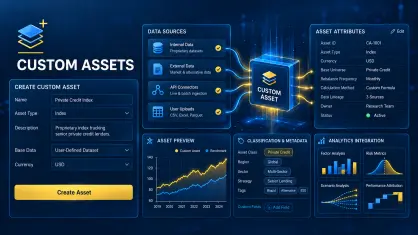
Yes. Risk Shell holdings can include supported market instruments as well as user-defined assets and proprietary proxies. This allows institutions to represent exposures that are not adequately covered by standard market instruments or external databases.

Risk Shell Components

Risk management and portfolio construction for alternative investments