
Risk Shell Unlimited Custom Development
Risk Shell Ultimate subscriptions include ABC Quant's Unlimited Custom Development Program. Clients can request new analytical models, portfolio functions, data interfaces, reports or workflow changes without a separate development fee.
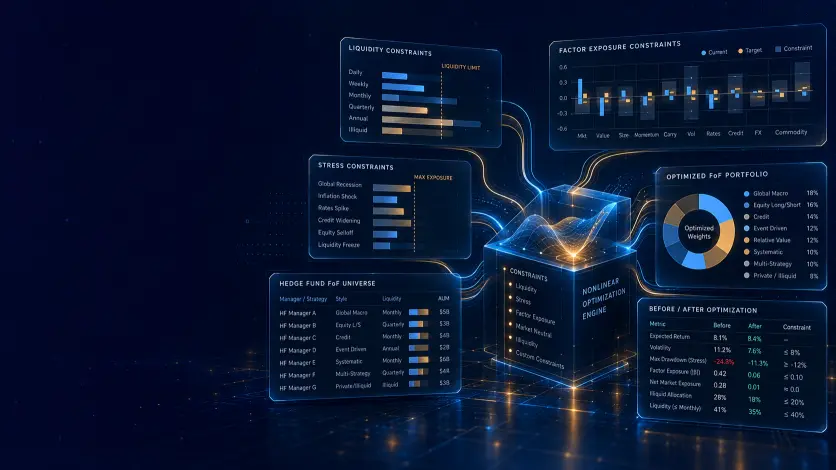
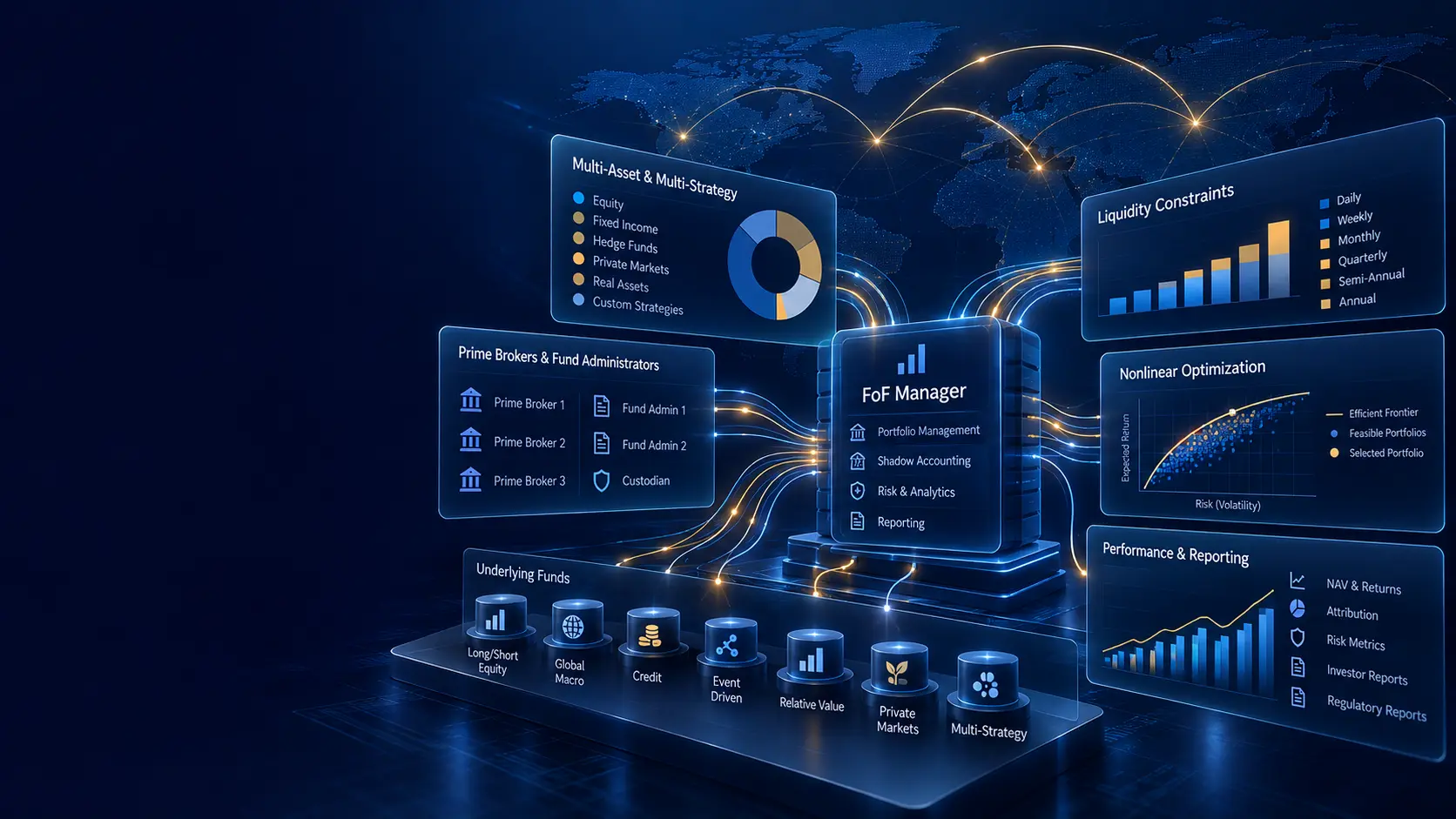
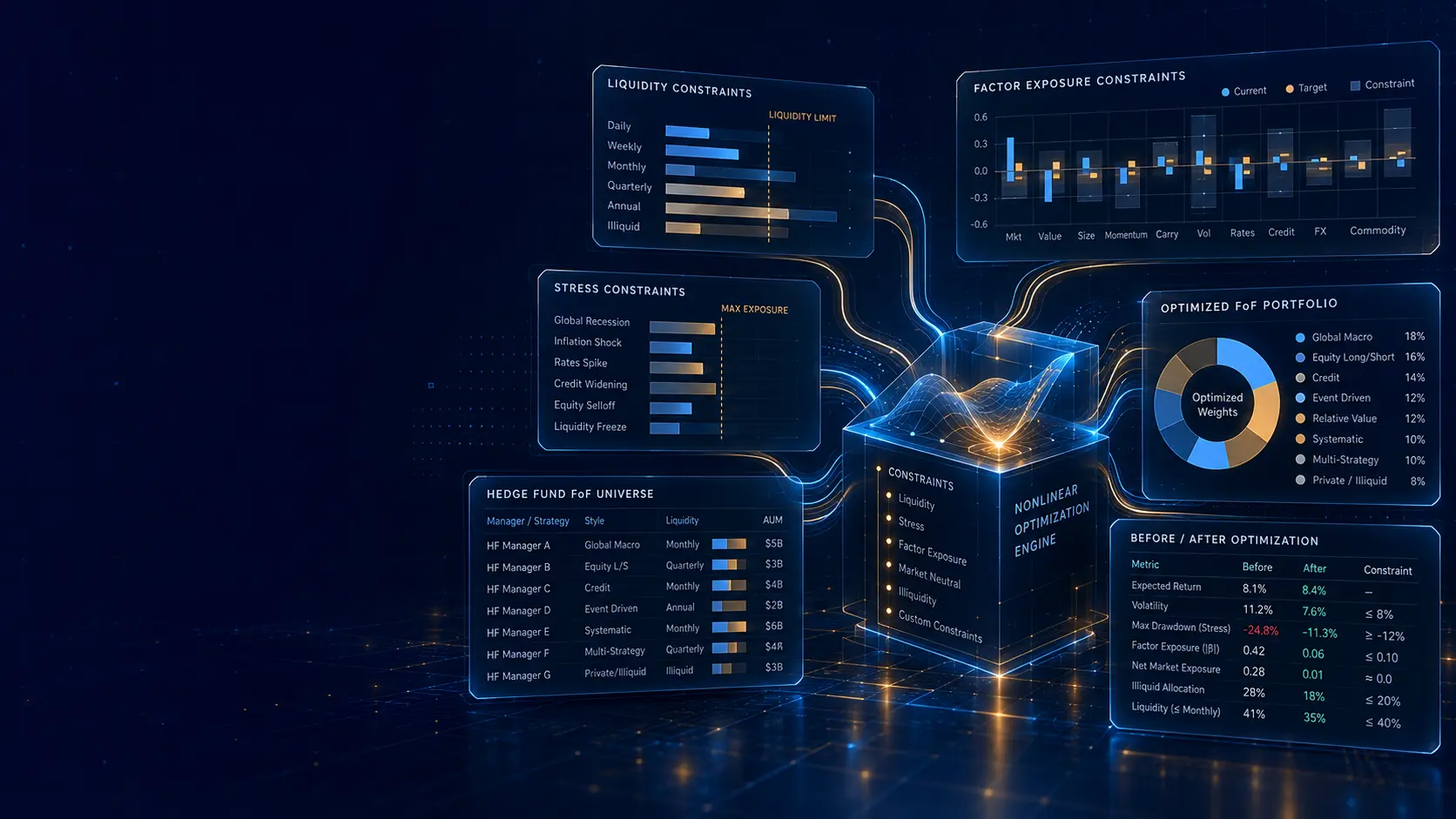
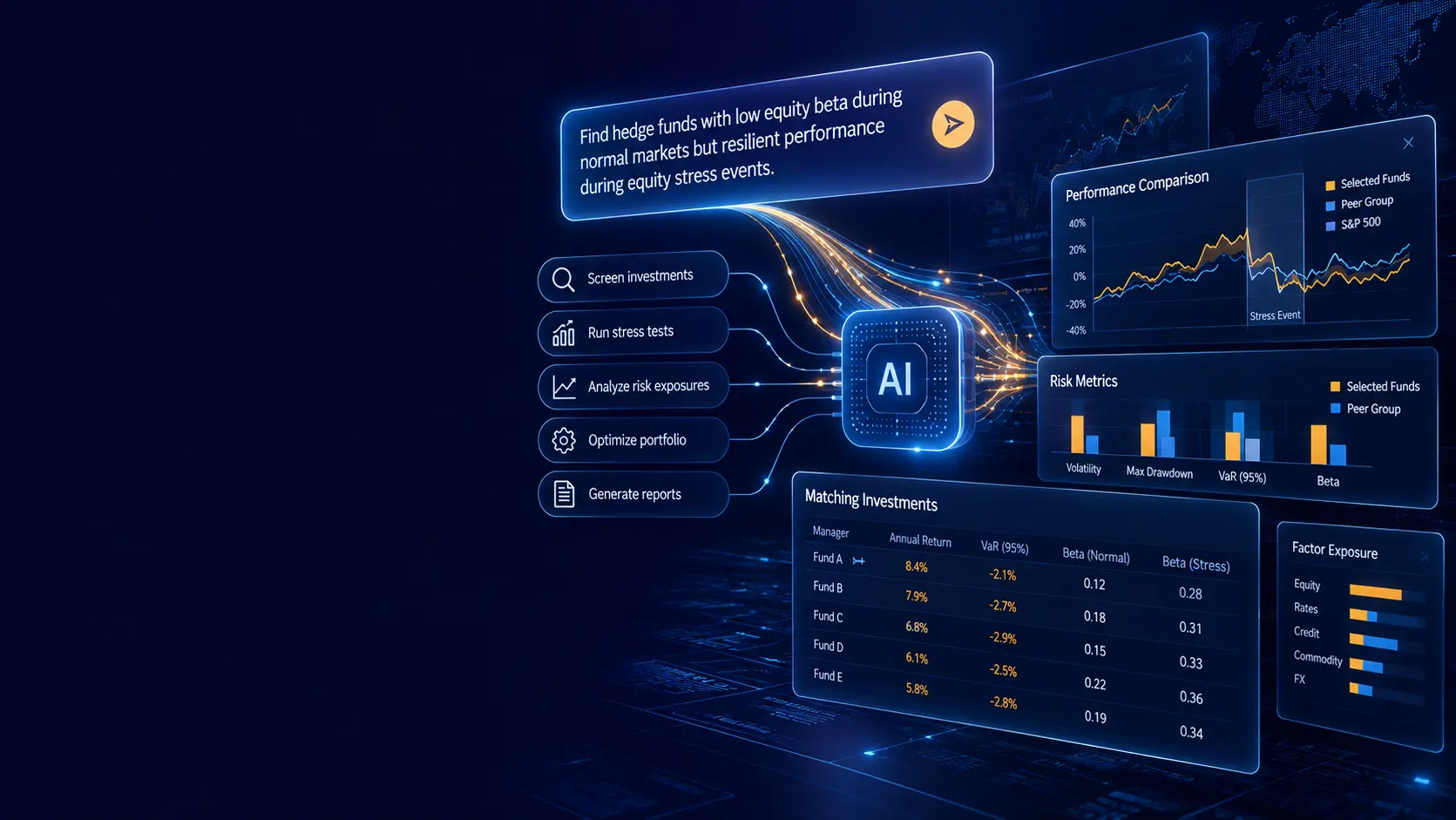
The program is not limited to cosmetic changes or configuration work. Requests can involve new risk statistics, optimization constraints, portfolio structures, analytical components and other production functionality. Proprietary developments can remain restricted to the requesting client, while functionality that can be shared may be incorporated into the standard Risk Shell platform.
Unlimited Development
Custom development is included with Risk Shell Ultimate subscriptions rather than priced as a separate project.
- New analytical models
- Portfolio and optimization functions
- Data and reporting workflows
Production Integration
Approved developments are implemented within Risk Shell and tested against the existing platform rather than delivered as standalone code.
- Integrated Risk Shell components
- Existing data and portfolio structures
- Regression and production testing
Proprietary Protection
Client-specific intellectual property can be kept private where the requested model or workflow is proprietary.
- Restricted client functionality
- Controlled access
- Separate treatment of proprietary models
Shared Development
Non-proprietary developments may become available to other Risk Shell clients after implementation.
- Shared platform enhancements
- Continuous component expansion
- Benefits from other client requests
More Than 300 Risk Shell Releases
Risk Shell has been developed continuously rather than through occasional major-version cycles. More than 300 releases have been issued, with several new releases typically delivered each month.
This release history is recorded and verifiable. It reflects ongoing development of analytical models, portfolio-management functions, data handling, reporting and user workflows requested through regular product development and client-specific projects.
The scale of Risk Shell today is closely related to this development model. Many components that are now part of the standard platform originated from practical requirements raised by investment managers, institutional investors and family offices using Risk Shell in production.
From Client Request to Risk Shell Release
1. Define the Requirement
The client specifies the required analytical model, workflow, calculation, data interface or portfolio function.
- Functional specification
- Required inputs and outputs
- Calculation or workflow rules
- Access and confidentiality requirements
2. Development & Testing
ABC Quant developers and quantitative analysts implement the request within the existing Risk Shell architecture.
- Model and interface development
- Integration with existing components
- Calculation validation
- Regression and workflow testing
3. Client Review
The completed functionality is reviewed against the agreed requirement and adjusted where necessary before production release.
- Result verification
- Workflow review
- Parameter and interface adjustments
- Final production approval
4. Release & Ongoing Maintenance
The new functionality becomes part of the maintained Risk Shell environment and follows the normal platform release cycle.
- Production deployment
- Compatibility with future releases
- Ongoing maintenance
- Shared or restricted availability
A Platform Built from Production Requirements
The Unlimited Custom Development Program creates a development model that differs from a conventional fixed-function software package. Risk Shell continues to expand as clients introduce requirements arising from real investment, risk-management and portfolio-management workflows.
Client-Specific Development
Where a request reflects a proprietary investment process, model or internal methodology, the resulting functionality can remain available only to the requesting institution.
- Proprietary risk models
- Internal investment methodologies
- Client-specific data structures
- Restricted analytical workflows
Shared Platform Development
Where the requested functionality is not proprietary and is suitable for broader use, it may be incorporated into Risk Shell for other clients.
- One client's request can become a standard component
- Other clients gain access to previously developed functionality
- New requirements accumulate within the platform over time
- Shared development reduces repeated implementation of the same tools
Past Examples of Client-Requested Development
Risk & Portfolio Analytics
- Proprietary risk statistics based on historical stress tests
- Stress-test constraints for Portfolio Optimization
- Derivative backtesting for multi-asset portfolios
- Calmar Ratio treatment for instruments with zero Maximum Drawdown
- Advanced correlation heat maps with rolling-correlation analysis
Portfolio Management
- Portfolio-management audit framework
- Master-feeder structures supporting multiple master portfolios
- Transaction and accounting workflow extensions
- Portfolio exposure and control functions
- Specialized fund-of-funds workflows
Data & Research Workflows
- Return Adjustment Framework for multiple return series
- Import of due diligence questionnaires into Risk Shell CRM
- Custom data converters and import tools
- Client-specific descriptive fields and data structures
- Integration with internal and third-party data sources
Platform Workflow
- Recording component for saving and replaying user actions
- Custom reporting functions
- Workflow automation
- Specialized analytical interfaces
- Client-specific user and process controls
Included with Risk Shell Ultimate
The Unlimited Custom Development Program is included with Risk Shell Ultimate subscriptions. Development scope is agreed directly with the client and can range from a small calculation or workflow change to a new analytical or portfolio-management component.
Where a requested development can be shared, it may subsequently become part of the standard Risk Shell platform. Where it contains proprietary client methodology or intellectual property, access can remain restricted to that institution.