

Alternative Investment Management Software

Risk Shell

Institutional portfolio management, risk analytics and portfolio construction for alternative and multi-asset portfolios.

Integrated investment data, stress testing, portfolio optimization, alternative investment analytics and shadow accounting within one platform.

FoF Manager hero
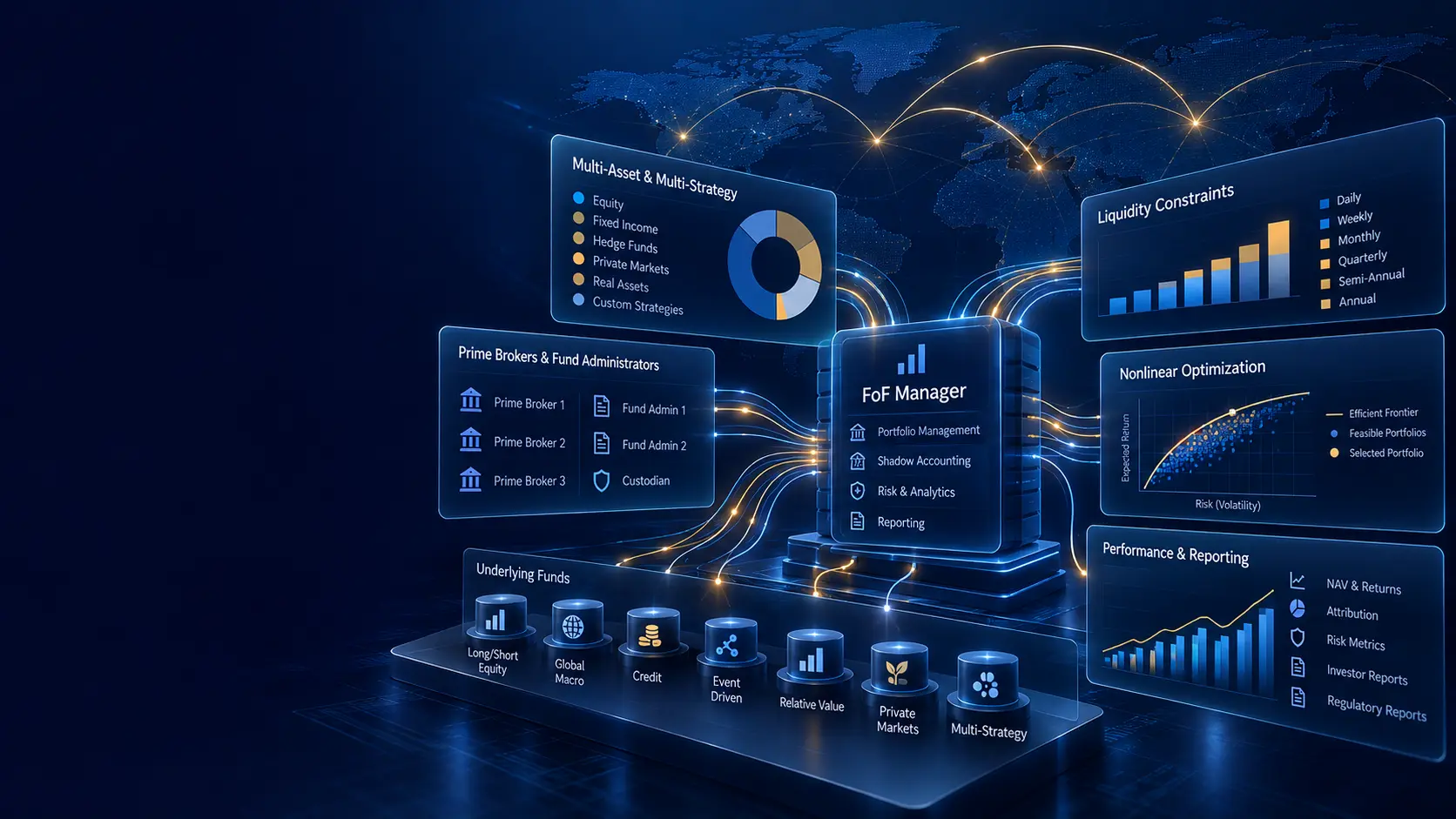
FoF Manager

Shadow Accounting for Alternative Portfolios

Manage hedge funds, private equity and multi-asset portfolios with liquidity controls, custom classifications and flexible historical accounting.

35+ hedge fund liquidity settings
Explore FoF Manager
Optimization hero
Portfolio Optimization

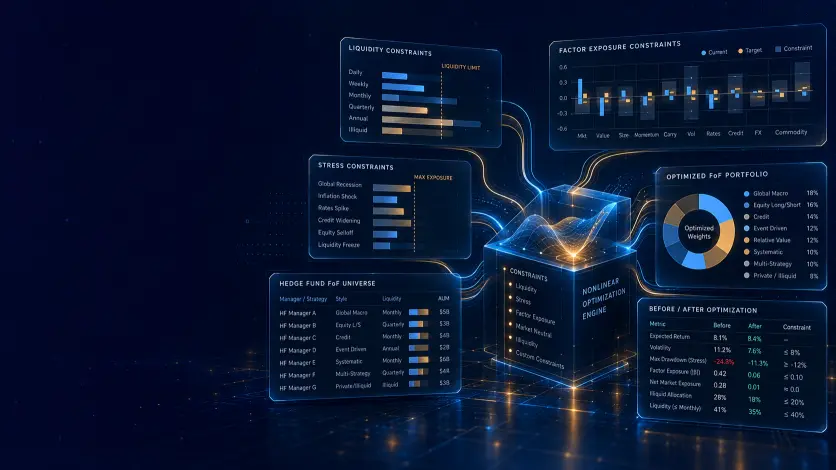
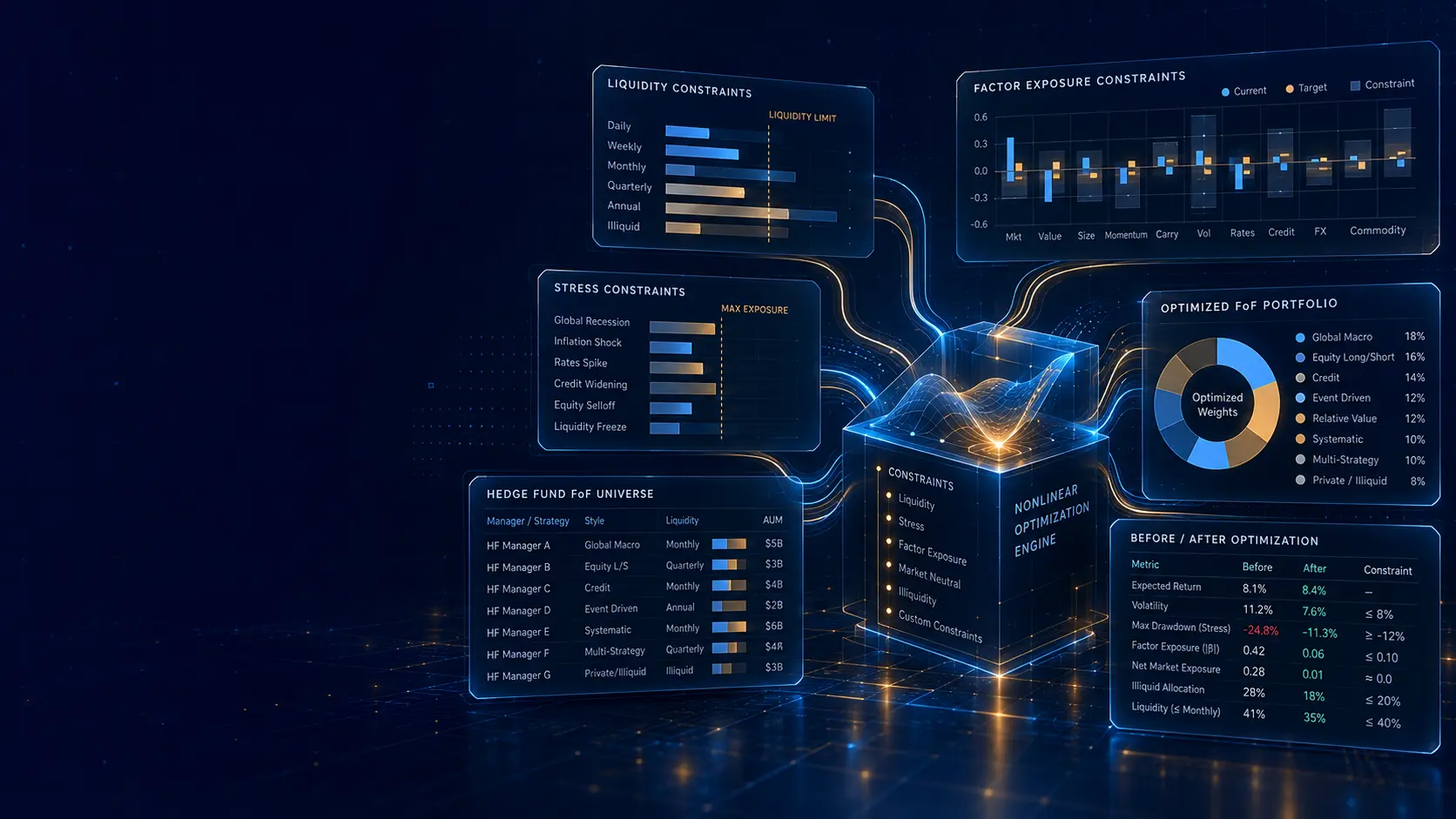
Nonlinear Portfolio Optimization

Construct hedge fund-of-funds and multi-asset portfolios with stress-test, factor-exposure, liquidity and other user-defined constraints.

Custom Constraints for market-neutral and risk-controlled portfolio construction
Explore Portfolio Optimization
Risk Shell AI hero
Risk Shell AI

Natural-Language Access to Risk Shell

Use natural language to access investment research, risk analytics and portfolio workflows.

2.3B tokens in our in-house financial LLM
Explore Risk Shell AI
Macroeconomic Scenario Screening hero
Macroeconomic Scenario Screening

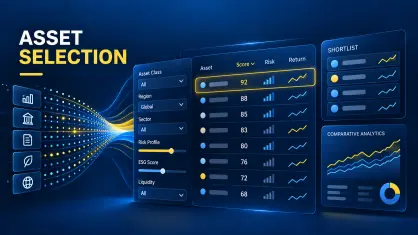
Select Assets for the Scenario You Define

Screen managers by risk and return targets under user-defined macroeconomic scenarios.

Trend Segmentation™ proprietary regime-analysis engine
Explore Scenario Screening
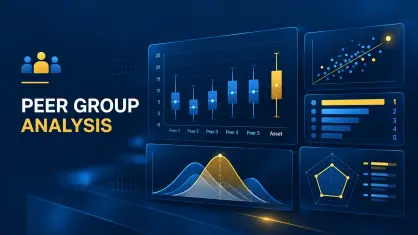
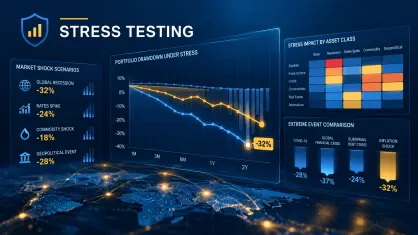
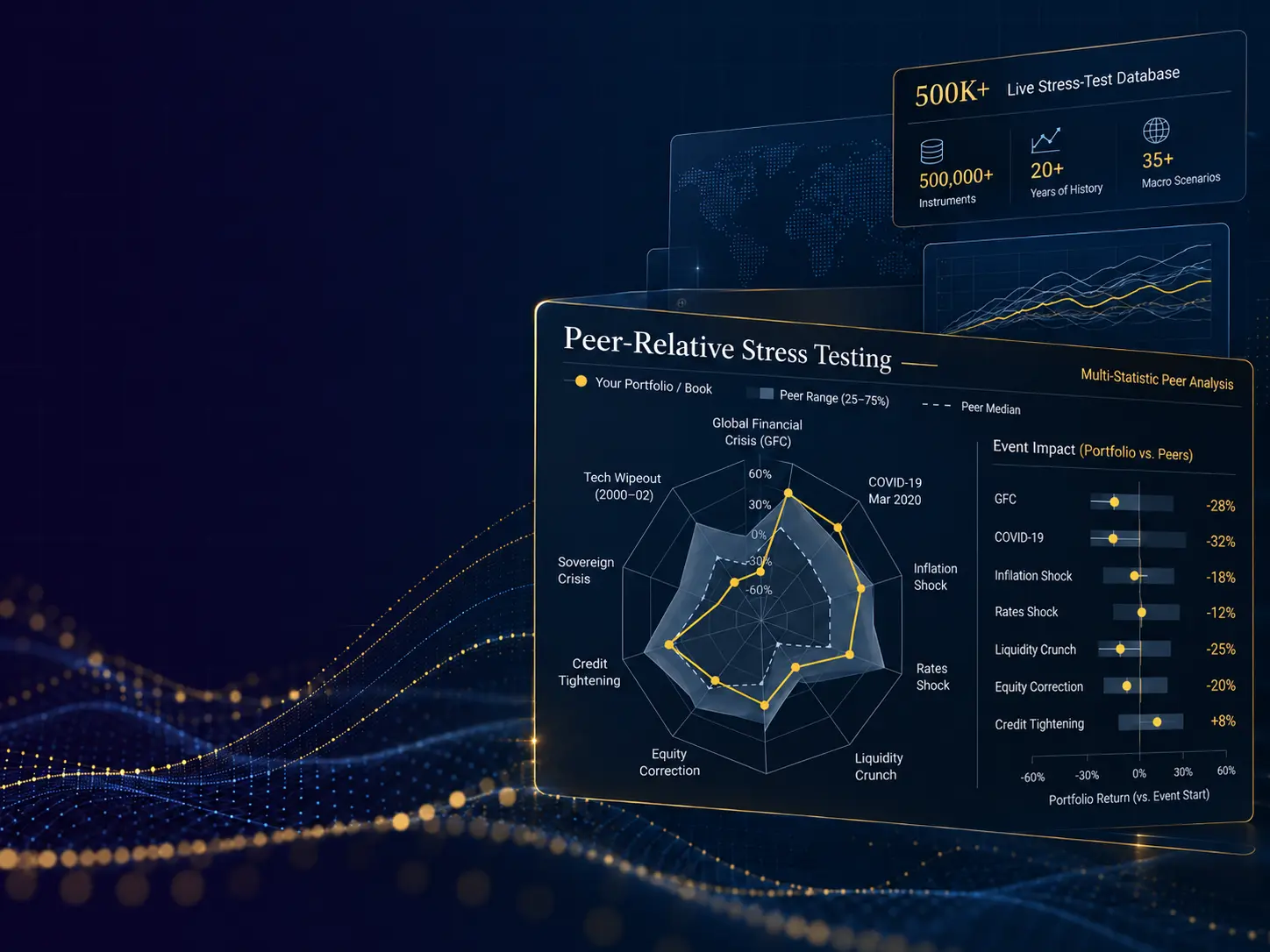
Peer-relative Stress Testing
Portfolio Stress Testing

Peer-Relative Stress Testing

Compare extreme-event outcomes with a relevant peer group.

500K+ live stress-tested instruments
Explore stress testing

Portfolio Construction Software for Fund of Funds

The Risk Shell Portfolio Construction component provides a quantitative framework for building and maintaining fund of funds, multi-manager and multi-asset portfolios. It brings together the principal analytical tasks involved in portfolio construction: defining risk budgets, measuring diversification, analyzing correlation structure, estimating marginal risk contributions, testing allocation changes and monitoring the effect of rebalancing decisions.

The component is particularly suited to portfolios where the underlying investments have materially different risk profiles. A hedge fund of funds, for example, may combine directional equity managers, credit strategies, relative-value funds, CTAs and market-neutral managers. Comparing portfolio weights alone provides little information about the actual distribution of risk. Risk Shell therefore allows portfolio construction to be evaluated in terms of risk contribution, dependence structure, diversification and portfolio-level exposures, rather than capital allocation alone.

Portfolio Construction is broader than portfolio optimization. Risk Shell includes a dedicated Portfolio Optimization component for solving constrained optimization problems. Portfolio Construction provides the surrounding framework used to analyze, build, test and maintain the resulting allocation.

Portfolio Construction for Fund of Funds and Multi-Manager Portfolios

Fund of funds portfolio construction differs from conventional security allocation in several important respects. Managers may have different liquidity terms, reporting frequencies, leverage, strategy exposures and return distributions. Two funds assigned similar capital weights may contribute very different amounts of portfolio risk, while apparently different strategies may become highly correlated during periods of market stress.

Risk Shell addresses these issues by analyzing the portfolio at the manager, asset and aggregate portfolio levels. Investment teams can examine how individual constituents contribute to total risk, whether diversification is coming from genuinely different return drivers, and how proposed allocation changes alter the overall portfolio profile.

Supported Portfolio Types

The Portfolio Construction framework can be applied across different investment structures and asset universes, including:

  • Hedge fund of funds and alternative investment portfolios
  • Multi-manager portfolios
  • Long-only traditional funds
  • Multi-asset portfolios
  • Equity long-only and long-short portfolios
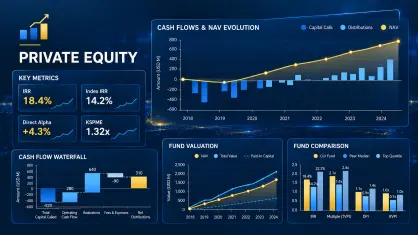
  • Private equity and other illiquid investment portfolios

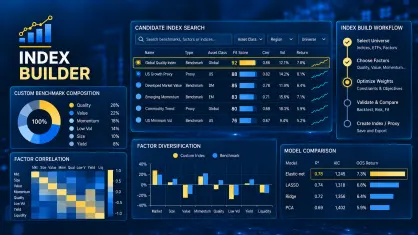
Market-neutral Portfolio Builder

Risk Shell includes proprietary tools for constructing market-neutral portfolios. These are designed for cases where the objective is not simply to reduce total volatility, but to control or neutralize selected market exposures while preserving exposure to the desired investment strategies.

This is relevant to hedge fund portfolios, alternative risk-premia strategies and long-short portfolios where gross investment exposure may remain significant even when net directional exposure is constrained.

  • Define optimization constraints

    Available constraints include:

    • Factor exposure (sensitivity to macroeconimic factors)
    • Strategy exposure
    • Liquidity
    • Stress test results
    • User-defined custom constraint criteria
  • Optimize portfolio

    Run portfolio optimization with the defined constraints. Portfolio optimization types include:

    • Maximum, average and conditional drawdown
    • CVaR
    • LPP (Lower Partial Moments)
    • Omega function
    • Mean-variance
  • Analyze market-neutrality

    Instant identification of overexposed portfolios and off-limit market factors.

    • Detailed breakdown of portfolio exposures across the whole Efficient Frontier
    • Integrated market neutrality analysis with user-defined liquidity and strategy exposure constraints
    • Thousands of macroeconomic factors
    • Compare multiple market-neutral portfolios by one click
  • Run backtests

    Perform backtesting on constructed portfolios.

    • Instant out-of-sample performance analysis
    • Include various rebalancing strategies and portfolio rebalancing costs
    • Batch backtesting mode: analyze multiple optimization strategies and options at once
    • Real-time and background backtesting modes

Tools For Hedge Fund Investors

Risk Budgeting and Risk Allocation

Risk budgeting provides an alternative to constructing a portfolio purely from capital weights or expected returns. Instead, the allocation is evaluated according to the amount of portfolio risk contributed by each asset, manager or strategy.

Risk Shell supports more than ten risk-budgeting and allocation approaches, including Equal Risk Contribution, Global Minimum Variance, Most Diversified Portfolio and Minimum Tail Dependent Portfolio. These methods allow investment teams to construct allocations around different definitions of portfolio risk and diversification.

Equal risk contribution can be run on standard deviation or on CVaR, so each fund carries the same share of volatility or the same share of tail loss. Global minimum variance minimizes portfolio variance. The most diversified portfolio allocates toward funds whose risk is idiosyncratic relative to the rest of the book. The minimum tail-dependent portfolio targets dependence in the joint tail rather than the average correlation. Maximum STARR and maximum Sharpe are on the same list. These allocation strategies are not substitutes for the optimizer. Budgeting fixes the risk share. Portfolio optimization searches a stated objective — CVaR, Omega, maximum drawdown and the others — subject to constraints. The available optimization constraints include stress-test results, liquidity, factor, and strategy exposure.

For a multi-manager portfolio, this can reveal significant differences between capital allocation and risk allocation. A manager representing 10% of NAV may contribute substantially more than 10% of portfolio risk because of its volatility, correlation with other managers or tail dependence. Conversely, a larger allocation to a genuinely diversifying manager may contribute relatively little incremental risk.

Diversification and Correlation Analysis

Portfolio diversification cannot be assessed from the number of holdings or strategy labels alone. The relevant question is how the underlying investments behave in relation to one another and how those relationships affect total portfolio risk.

Risk Shell provides correlation and dependence analysis for examining relationships between managers, funds and asset classes. This is particularly important for alternative investment portfolios, where managers classified under different strategies can still share significant exposures to equity markets, credit, volatility, liquidity or other common risk factors.

Diversification analysis can therefore be used both during initial portfolio construction and as part of ongoing monitoring. A portfolio that was well diversified when established may become more concentrated as manager correlations or exposures change.

Marginal Risk Contribution Analysis

Risk Shell calculates the contribution of individual portfolio constituents to aggregate portfolio risk. Marginal risk contribution measures how portfolio risk changes as the weight of a particular asset or manager changes, providing a more useful portfolio-construction measure than stand-alone volatility alone.

This analysis can help identify managers whose incremental risk is disproportionate to their portfolio weight, as well as positions that provide meaningful diversification. For fund of funds managers, marginal risk analysis is useful when evaluating new allocations, redemptions, manager replacements and portfolio rebalancing decisions.

Applications for Asset Managers and Fund of Funds Managers

  • Allocate portfolio risk using risk-budgeting methodologies rather than relying solely on capital weights
  • Measure diversification across managers, strategies and asset classes
  • Analyze correlation and dependence between portfolio constituents
  • Identify marginal and total risk contributions of individual managers or assets
  • Evaluate proposed allocation changes before implementation using What-If Analysis
  • Backtest portfolio construction rules and compare alternative allocation methods
  • Monitor current versus target allocations and rebalance portfolios when required
  • Construct market-neutral portfolios with controlled directional exposures
  • Analyze non-linear dependence using multivariate stochastic simulation
  • Incorporate derivatives into portfolio-level analysis rather than treating them independently

Portfolio Construction Modules

  • Risk Budgeting — 10+ allocation methods including Equal Risk Contribution, Global Minimum Variance, Most Diversified Portfolio and Minimum Tail Dependent Portfolio
  • What-If Analysis for testing proposed changes to portfolio composition and weights
  • Diversification and correlation analysis
  • Marginal and constituent risk contribution analysis
  • Integrated non-linear Portfolio Optimization for constrained allocation problems
  • Market-neutral portfolio construction
  • Portfolio allocation backtesting in single and batch modes
  • Background and real-time portfolio calculations
  • Portfolio rebalancing
  • Copula-based multivariate stochastic simulation
  • Derivative simulation and portfolio-level options analysis

Stochastic and Derivative Portfolio Analysis

For portfolios where normal-distribution assumptions are inadequate, Risk Shell supports copula-based multivariate stochastic simulation. Copulas allow dependence between portfolio constituents to be modeled separately from their individual return distributions and are particularly useful when analyzing non-linear dependence and joint tail behaviour.

The component also supports derivative simulation for evaluating how options and other derivative positions affect a broader multi-asset portfolio. This allows derivative exposures to be considered in the context of the complete portfolio rather than analyzed only as isolated instruments.

Institutional Workflow Tools

Portfolio Backtesting and Rebalancing

Risk Shell supports allocation backtesting so that portfolio construction rules can be evaluated over historical periods rather than only against the current portfolio. Users can examine how a selected construction method or allocation rule would have behaved through different market conditions.

Both single and batch backtesting modes are available, allowing multiple portfolio configurations or parameter sets to be evaluated simultaneously. This is particularly useful when comparing risk-budgeting methods, rebalancing rules or alternative portfolio structures.

The portfolio rebalancing module provides the next step in the process by comparing current and target allocations and identifying the changes required to restore the desired portfolio structure.

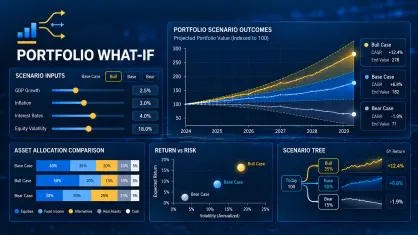
What-If Analysis and Allocation Testing

Portfolio construction frequently involves evaluating proposed changes before they are implemented. Risk Shell What-If Analysis allows users to test changes in manager weights, additions and removals of positions, or other allocation adjustments and immediately review their impact on portfolio statistics.

This provides a practical framework for answering questions such as whether a new manager improves diversification, whether reducing one position lowers portfolio risk materially, or whether reallocating capital changes the portfolio's exposure to a particular strategy or source of risk.

Risk Shell Components

Risk management and portfolio construction for alternative investments